

Walworth Road SE17 Removals Elephant and Castle What to Expect
Posted on 09/06/2026
Walworth Road SE17 Removals Elephant and Castle: What to Expect
Moving on or near Walworth Road in SE17 can feel straightforward on paper, then suddenly a bit more real once the boxes appear, the parking space disappears, and the clock starts ticking. If you are planning Walworth Road SE17 removals Elephant and Castle what to expect, this guide walks you through the process in plain English: what usually happens, where the common pinch points are, how local road conditions affect the day, and how to keep the whole thing calm enough to be manageable. Truth be told, a good removal is less about luck and more about preparation, timing, and choosing the right support.
Whether you are leaving a flat, moving into a new home, shifting a student room, or relocating a small business, the same basic question comes up: what will the day actually feel like? Let's go step by step. And, yes, we'll keep it practical.
Why Walworth Road SE17 Removals Elephant and Castle What to Expect Matters
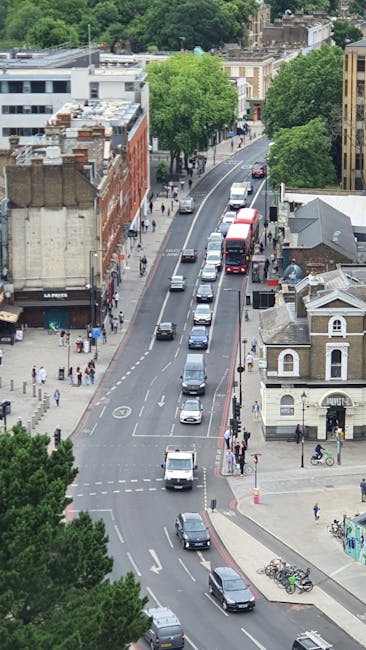
Walworth Road sits in a busy part of south London where traffic, delivery vehicles, pedestrians, flats above shops, and the usual city-day chaos all collide. That matters because moving house or office here is not just a matter of loading boxes into a van and driving off. Access can be tighter than people expect. Parking can be awkward. Staircases can be narrow. And if your move involves timed arrivals, neighbours, or shared entrances, the details start to matter quickly.
This is exactly why understanding the process beforehand helps. You can reduce stress, protect your belongings, and avoid those awkward last-minute conversations where someone says, "We didn't realise the lift would be out of service." In areas like Elephant and Castle, small logistics decisions often have a bigger impact than people think.
If you are comparing moving options in the area, it can also help to understand the wider range of support available. Many people begin by looking at removal services in Elephant and Castle, then narrow down based on property type, volume, and timing. Others need something more specific, such as flat removals in Elephant and Castle or a more flexible man and van service for a lighter move.
Expert summary: On Walworth Road, a good move is usually won before moving day. Accurate access details, realistic timing, and the right vehicle size matter more than flashy promises.
How Walworth Road SE17 Removals Elephant and Castle What to Expect Works
The removal process usually starts with an enquiry, then a quick assessment of what needs to move, where it is going, and what kind of access exists at both ends. For many local jobs, especially around Walworth Road, that assessment is where the real value shows up. A two-bed flat with no lift, a ground-floor office with parking restrictions, or a student move with a few key items all need different planning. Obvious, maybe. But easy to underestimate.
Once the move is booked, the team will normally confirm the date, arrival window, and any details that affect loading. That might include stair-only access, fragile items, bulky furniture, or whether you need help with wrapping and packing. If the move is urgent, a same-day option may be possible in some situations through same day removals in Elephant and Castle, although availability depends on demand and vehicle capacity.
On the day itself, expect a short walkthrough first. Good movers usually check what is going, identify the heaviest items, and decide the loading order before any lifting begins. That bit sounds minor, but it saves time and avoids the classic "we loaded the boxes first, now the wardrobe won't fit" problem. After loading, the van is secured, the route is planned, and the team heads to the destination for unloading and placement.
For heavier, awkward, or unusually delicate items, the process may involve additional handling. You can see examples in specialised support such as furniture removals or piano removals. Those jobs are less about speed and more about control, protection, and the right equipment.
Key Benefits and Practical Advantages
People often think the main benefit of hiring removals help is saving physical effort. That is true, but it is not the whole story. The bigger win is reducing the number of things that can go wrong. A professional move can bring structure to a day that would otherwise be a blur of tape, doors, and panic-level coffee.
- Better time control: instead of spending all day juggling loading and transport, you get a tighter schedule and clearer handover.
- Less risk of damage: trained handling, blankets, straps, and sensible loading order all help protect furniture and fragile items.
- More suitable vehicles: the right van size can make a huge difference on constrained streets like Walworth Road.
- Local know-how: teams familiar with Elephant and Castle are more likely to anticipate access, parking, and timing issues.
- Less emotional load: moving can be stressful. Handing over the heavy lifting leaves you free to deal with keys, meters, and the hundred tiny tasks nobody mentions until moving day.
There is also a practical financial angle. The smoother the move, the less chance you have of paying for avoidable delays, repeat journeys, or damaged items that should have been packed differently. If you want to sense-check costs beforehand, a useful starting point is pricing and quotes. That gives you a clearer idea of what type of job you are asking for, rather than guessing and hoping.
And yes, sometimes the quiet advantage is simply peace of mind. That counts for a lot on a moving day, especially if you are moving with children, tight deadlines, or a neighbour who is already eyeing your parking spot.
Who This Is For and When It Makes Sense
This type of local removals support makes sense for a wide range of people. Not just one kind of move, not at all.
If you live in a flat off Walworth Road, a tailored service can be especially helpful because access is often the main challenge. If you are moving from a house, the issue may be volume and coordination rather than stairs. If you are a student, the move might be smaller but time-sensitive. If you are relocating an office, the priority shifts again: equipment, downtime, and careful sequencing become more important than anything else.
In practical terms, the service is often a good fit for:
- Tenants moving between flats or shared houses
- Homeowners relocating locally or across London
- Students with smaller loads and limited time windows
- Office teams needing careful, efficient transport
- People with one-off bulky items that need proper handling
- Customers who need temporary holding space through storage in Elephant and Castle
It also makes sense when you want a service that feels proportionate to the job. A full household move does not need the same setup as moving two chairs and a TV. Likewise, a single-bedroom flat move doesn't always justify the largest vehicle on the road. Finding the right fit is half the battle.
Step-by-Step Guidance
Here's the simplest way to think about a move on Walworth Road SE17: prepare, confirm, load, transport, unload, and settle. The sequence is basic, but the quality of each step matters.
- List what is moving. Start with the obvious items, then add the awkward ones: mirrors, plants, boxes of books, lamps, and anything with sentimental value.
- Check access both ends. Think about stairs, lift size, parking, entry codes, and whether a van can stop close enough to the building.
- Choose the right moving help. If the move is modest, a man with a van in Elephant and Castle may be enough. Larger moves may suit a fuller removal van setup or a more complete team.
- Pack by priority. Keep essentials separate: documents, chargers, toiletries, medication, kettle, and at least one clean change of clothes. People always forget the kettle. Every time.
- Label clearly. Room names are good. "Kitchen," "Bedroom 1," and "Do Not Stack" are all useful. Fancy labels are not required.
- Confirm timing. Make sure the arrival window, contact method, and any building restrictions are clear before the day arrives.
- Walk the property with the movers. Point out fragile pieces, awkward items, and anything that needs special handling.
- Unpack essentials first. Get beds, lighting, and cooking basics set up before tackling the rest. Your future self will thank you, probably before sunset.
If you are packing from scratch, a little organisation goes a long way. A focused package and boxes service can help reduce the last-minute scramble. And if the move is particularly large or time-sensitive, it may be worth looking at the broader removals in Elephant and Castle offering rather than trying to patch together a solution at the last minute.
Expert Tips for Better Results
A few small decisions can make a huge difference on moving day. Not dramatic decisions. Just sensible ones.
First, measure the awkward stuff. Sofas, bed frames, wardrobes, and desks are the usual suspects. If an item can only just fit through a door, say so early. Do not leave it to chance and a bit of optimism. That route leads to scraped walls and unnecessary swearing.
Second, be honest about stairs and access. If the lift is unreliable or the entrance is shared with multiple residents, mention it. Movers can plan for that, but only if they know. On a road like Walworth Road, where building layouts vary a lot, this is one of the most useful things you can do.
Third, separate valuables and essentials. Put passports, keys, jewellery, and important paperwork somewhere you can keep close. It sounds obvious. Still, people send these items into a van all the time and regret it later.
Fourth, build in a small time buffer. London traffic happens. Lift delays happen. Someone parks badly and blocks the access for ten minutes, because of course they do. A little buffer keeps the day from tipping over.
Fifth, ask for the service level you actually need. If you only need transport, say that. If you need wrapping, lifting, dismantling, or a two-stop move, say that too. A good service should fit the job, not force the job to fit the service.
For some people, the smartest move is to combine transport with packing support. For others, it is to compare different forms of help and pick the lightest option that still feels safe. There is no prize for overcomplicating it.
Common Mistakes to Avoid
Most moving problems are not mysterious. They are predictable, which is annoying but useful, because predictable problems can be avoided.
- Underestimating the volume: "We only have a few boxes" usually turns into "Why is there a lampshade, three toolboxes and a chair we forgot about?"
- Not checking parking: if the van cannot stop close enough, everything slows down.
- Leaving packing to the last night: last-minute packing often leads to loose items, poor labelling, and damaged goods.
- Ignoring access restrictions: coded entry, concierge rules, and building time slots matter.
- Forgetting to protect fragile items: a towel wrapped round a mirror is not the same as proper protection.
- Booking too late: especially if you need a specific day or weekend slot.
- Assuming every move is the same: a student move, a house move, and an office move do not need the same approach.
One subtle mistake is failing to think about the destination. People focus so much on getting out of the old place that they forget the new one might also have awkward stairs, limited parking, or lift restrictions. In our experience, that is where the second half of the stress usually hides.
Tools, Resources and Recommendations
You do not need specialist kit for every move, but a few basic tools make life much easier. The goal is not to turn your living room into a packing warehouse. Just to make the day more controlled.
- Strong boxes: use small boxes for books and heavier items, larger boxes for lighter soft goods.
- Packing tape and dispenser: faster and cleaner than wrestling with loose tape rolls.
- Labels or marker pens: simple room labels save time later.
- Bubble wrap or paper: useful for glass, tableware, and corner protection.
- Furniture covers or blankets: especially helpful for sofas, tables, and polished surfaces.
- Toolkit: a basic screwdriver set and Allen keys can help with beds, tables, and flat-pack furniture.
- First-night bag: toiletries, chargers, medicine, snacks, and bedding.
If you want to keep things tidy and efficient, the supporting pages on packing and boxes, furniture removals, and house removals are a sensible place to understand what each type of move normally involves.
You may also want to look at the company's wider approach to safety and service standards through insurance and safety, which is a reassuring place to check how belongings are handled and protected.
Law, Compliance, Standards, and Best Practice
Not every move involves formal compliance issues, but a trustworthy removals company should still work to sensible UK standards. That means careful handling, clear communication, respect for property access rules, and a professional approach to safety. It also means being honest about limitations. If access is poor or an item is unusually delicate, that should be discussed early rather than guessed on the day.
For office or commercial moves, best practice becomes even more important. You may need to consider safe lifting, equipment handling, timing around business hours, and minimising disruption. A basic home move can often be completed in a morning; an office move usually needs tighter coordination.
It is also reasonable to expect clear terms and transparent booking conditions. Pages such as terms and conditions and payment and security help explain how bookings are handled, what payment methods are accepted, and what the customer should expect. That kind of clarity matters, especially when you are handing over valuable items to a moving team.
If something does not go as planned, a good provider should also have a proper route for feedback. A clear complaints procedure is one of those boring-sounding things that actually says a lot about how a business treats its customers.
There are also practical responsibility areas that many readers appreciate, such as recycling and sustainability, especially if moving day creates packaging waste or items that need responsible disposal.
Options, Methods, or Comparison Table
Different moves need different setups. Here is a simple comparison to help you choose the right approach for Walworth Road and the wider Elephant and Castle area.
| Option | Best for | Typical strengths | Possible trade-offs |
|---|---|---|---|
| Man and van | Small to medium local moves, student jobs, single-room moves | Flexible, practical, often ideal for lighter loads | May not suit larger households or complex furniture |
| Full removals service | Flat, house, or office moves with more items | More support, better for coordination and heavier loads | Usually more involved to arrange |
| Same-day removals | Urgent moves and short-notice situations | Fast response, useful when time is tight | Availability may be limited |
| Storage plus transport | Moves with delayed handover or temporary space needs | Good if dates do not line up neatly | Requires more planning and coordination |
If you are unsure which option suits you, many people start with a general overview of services overview and then narrow the choice by property type or urgency. That keeps the decision sensible instead of emotional, which is handy on a busy week.
Case Study or Real-World Example
Here's a typical local scenario. A couple moving from a second-floor flat near Walworth Road had a sofa bed, three wardrobes, kitchen boxes, and a bicycle. Nothing outrageous, but the lift was small and the street parking was unpredictable. They first assumed they would manage with a borrowed van and a few friends. Then they looked at the stairs again. Then the lift. Then the sofa bed. Suddenly the plan looked less charming.
What worked better was booking a more appropriate local moving option, packing non-essential items a day early, and separating the furniture that needed dismantling. Because access was tight, the team planned the loading order carefully and used the shortest possible carry route from the entrance to the van. That saved time and reduced the chance of damage.
The move still had a few human moments, of course. A box marked "kitchen books" turned out to contain a toaster, two recipe books, and a mysterious charging cable. Nothing dramatic. Just normal moving-day chaos. But because the basics had been planned properly, the day stayed manageable.
For a smaller move, the same street could call for a simpler setup: one vehicle, a quick loading plan, and perhaps help through man with van services. The key point is not that one option is better than another. It's that the best choice depends on the load, the building, and the level of help you actually need.
Practical Checklist
Use this checklist in the final 48 hours before the move. It keeps things grounded.
- Confirm the moving date and arrival time
- Check parking and loading access at both properties
- Tell the movers about stairs, lifts, or entry codes
- Pack fragile items separately and label them clearly
- Prepare a first-night essentials bag
- Disconnect appliances safely where needed
- Empty drawers that could make furniture too heavy
- Remove loose shelf items and breakables
- Keep keys, documents, and valuables with you
- Take photos of important electronics before unplugging them
- Set aside anything going to storage or charity
- Have contact details ready for the moving team
Quick tip: if you are packing late at night, stop after the essentials are done. Exhaustion is a terrible packing assistant. Really terrible.
Conclusion
Walworth Road SE17 removals in Elephant and Castle are usually less about drama and more about good decisions made early. If you know what to expect, you can plan around the awkward bits before they become problems. That means checking access, choosing the right type of move, packing in a way that makes sense, and keeping your essentials close. Simple things, but they matter.
For local moves, especially in busy parts of south London, clarity beats guesswork every single time. A move that feels rushed on the morning itself often starts with planning that was too vague the week before. The good news? That is easy to fix. And once you get the basics right, moving day becomes a lot less intimidating than it looked from the sofa.
Get a free quote today and see how much you can save.
If you want a deeper sense of the area before you move, you might also enjoy reading about living locally in Elephant and Castle or exploring the neighbourhood through this local guide. A move is a practical thing, yes, but it is also a shift into a new everyday rhythm. That part matters too.